
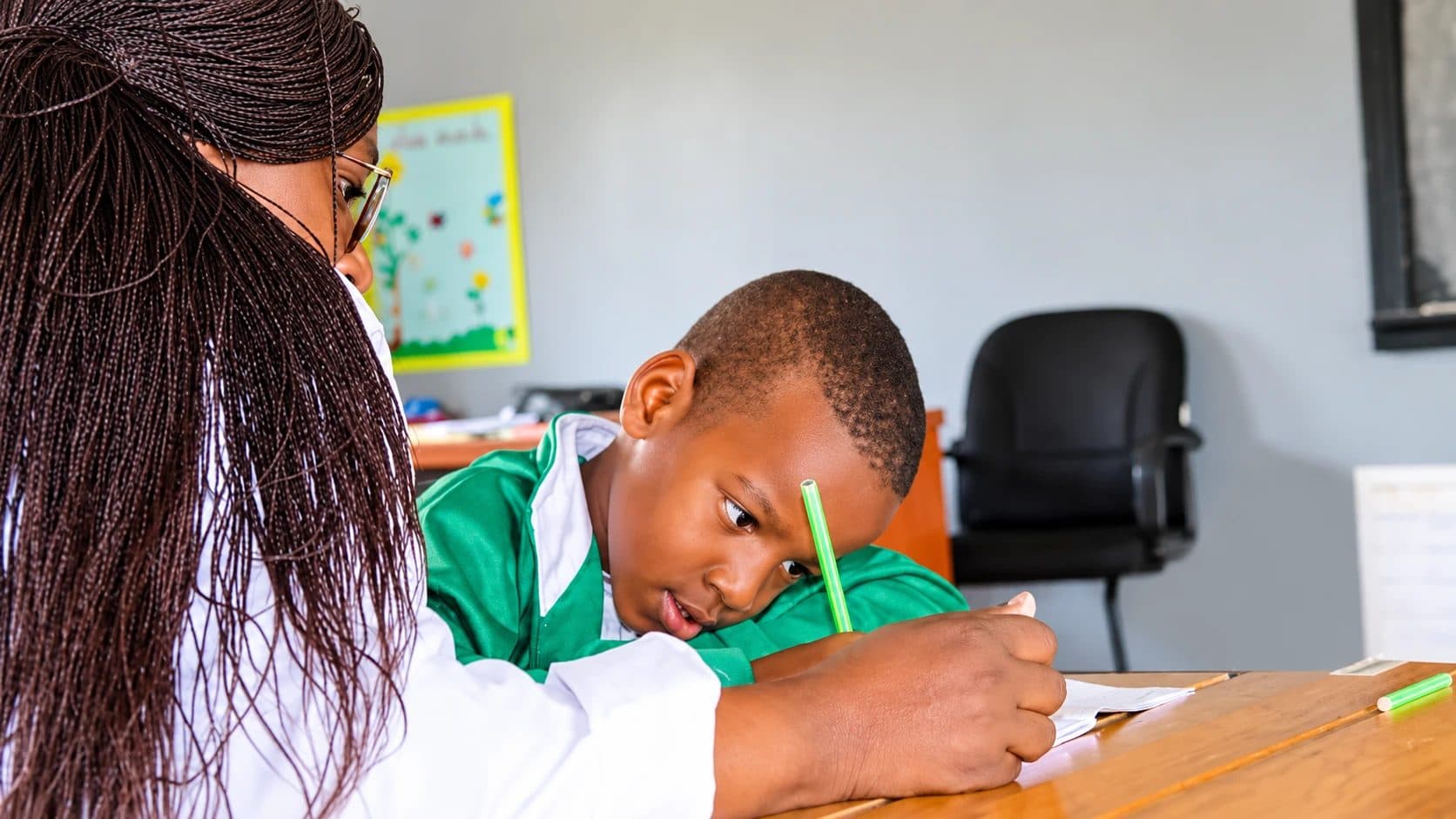
A child may count confidently and still find it difficult to ask for help in an unfamiliar classroom. Another may speak quietly but listen carefully, join a game and keep trying when an activity is new. Grade 1 readiness is broader than a quick demonstration of reading or writing.
For parents in Zambia, two questions need separate answers: does the child meet the school's admission criteria, and what support will help them participate in school? A home checklist can guide a conversation. It cannot diagnose a difficulty, replace a teacher's assessment or decide admission.
Readiness is a conversation about participation
Think about ordinary routines. Can your child communicate a need in a way another adult understands? Can they engage with a short activity, accept some guidance and begin to interact with other children? Consider what they do comfortably and what becomes easier with support.
Do not turn these questions into a pass mark. Children bring different experiences, languages and abilities. A disability or a need for personal-care support should lead to a specific discussion about access and assistance, rather than an assumption that the child cannot learn.
Leonard Chileshe Mulenga Memorial School publishes a minimum age of five years by the beginning of the academic year for its Primary Section. This is the school's published admission guidance, not a statement of a national legal entry age. Confirm its current application to your child through the admission process, especially if you are considering a different entry year.
Communication and listening in daily life
Notice whether your child can express discomfort, ask for a turn or explain a simple event. Give them time to answer. If they use a home language more confidently than the classroom language, tell the teacher; an unfamiliar language can change how a child responds during a first meeting.
Practise short instructions as part of normal activities. Start with one clear action, then add another when it is manageable: “Put the book on the chair, then bring your bag.” If the child struggles, simplify the request and show them what you mean. Repeating a longer instruction more loudly is not necessarily helpful.
For example, a child who forgets a two-part instruction might succeed when you point to each item. Record that useful observation for the teacher. “A visual reminder helps” offers more practical information than “They never listen.”
Personal routines without embarrassment
Practise opening a lunch container, recognising a water bottle and returning an item to a bag. Choose closures that your child can handle. A new bag that looks impressive but cannot be opened independently may create an avoidable problem.
Where developmentally appropriate, practise toileting, handwashing and managing clothing. If assistance is needed, ask how it will be provided and how privacy will be respected. Share relevant information discreetly with the responsible staff member. Do not hide a support need because you fear it will seem inconvenient.
Draw a simple morning sequence together: wash, dress, eat, collect the bag. Your child can point to the next step. Rehearse when there is time, rather than introducing every new expectation on the first school morning.
Reading begins with meaning
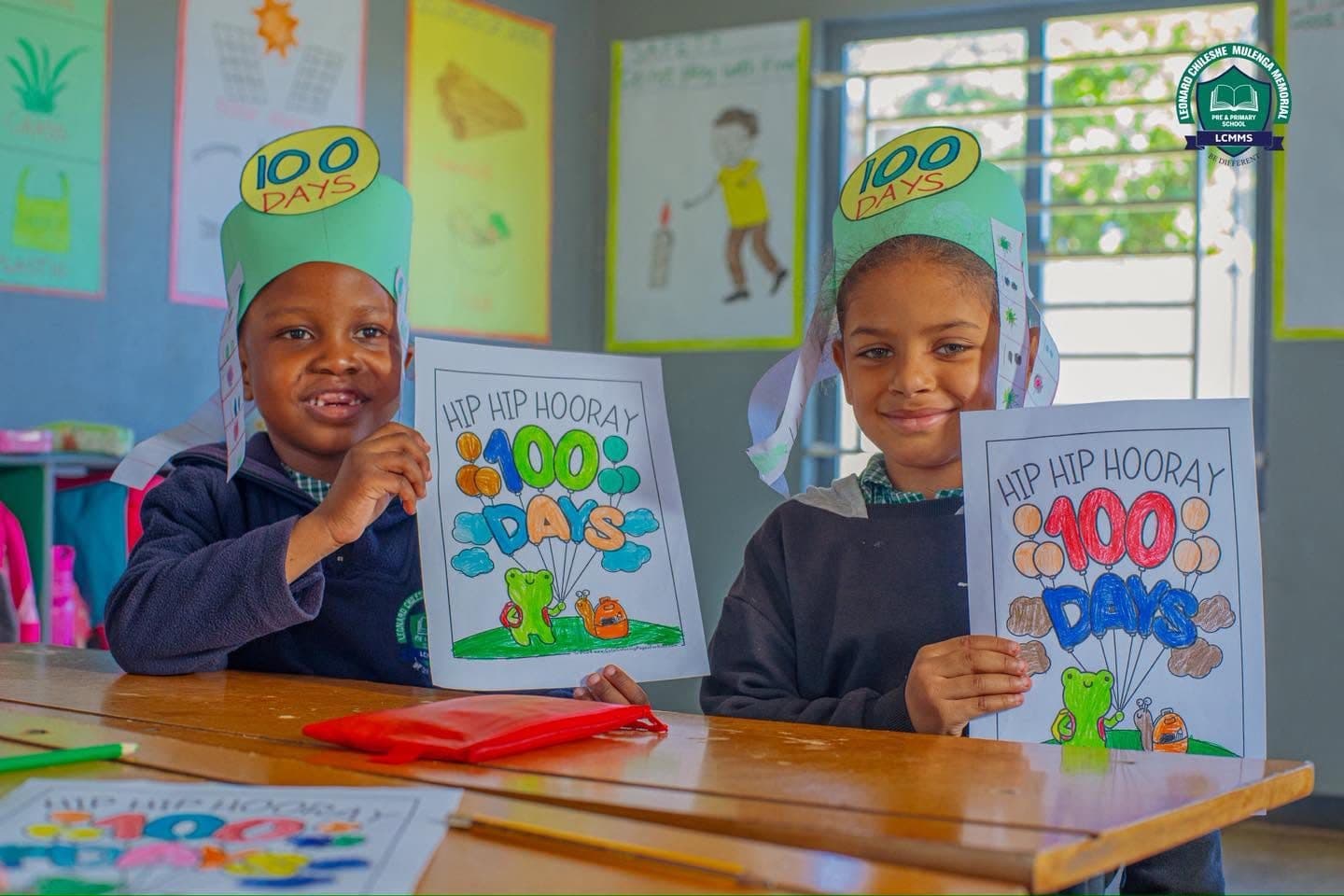
Share a short story or look through a picture book. Ask what is happening and listen to the answer. Invite the child to tell a familiar story in their own words. If books are limited, an adult's spoken story still gives a child something to listen to, recall and discuss.
Notice signs, labels and the child's name without demanding immediate mastery. Offer paper and suitable crayons for drawing and mark-making. Ask the child to tell you about the picture. Avoid treating copied letters as the only evidence of learning.
A useful illustration is a child drawing a market stall and explaining what is for sale. The drawing may be untidy, but the explanation gives the adult opportunities to discuss objects, quantities and a sequence of events. Keep the conversation enjoyable.
Number awareness using what you have
Set out cups for people at the table, count steps together or sort clean socks. Ask which group has more and check by matching items one to one. Use large, safe objects and supervise the activity; small loose objects are unsuitable for children who may put them in their mouths.
Make the challenge achievable. If counting five objects is difficult, try a smaller group. If it is easy, ask the child to bring a particular number. The purpose is to connect words and quantities, not to rush towards bigger numbers for an admission demonstration.
Social confidence and feelings
Short games can provide practice in taking turns, waiting and coping with a small disappointment. Explain the rule before starting and model what to say when something goes wrong. Praise the specific effort, such as asking for a turn, rather than labelling a child “good” or “naughty”.
Talk about who will help at school. Practise a simple phrase such as “Please help me find my class.” Ask the school how children are introduced to routines and how parents will hear about settling in. Do not promise your child that school will always be easy or that they will never feel upset.
A useful note to bring to the teacher
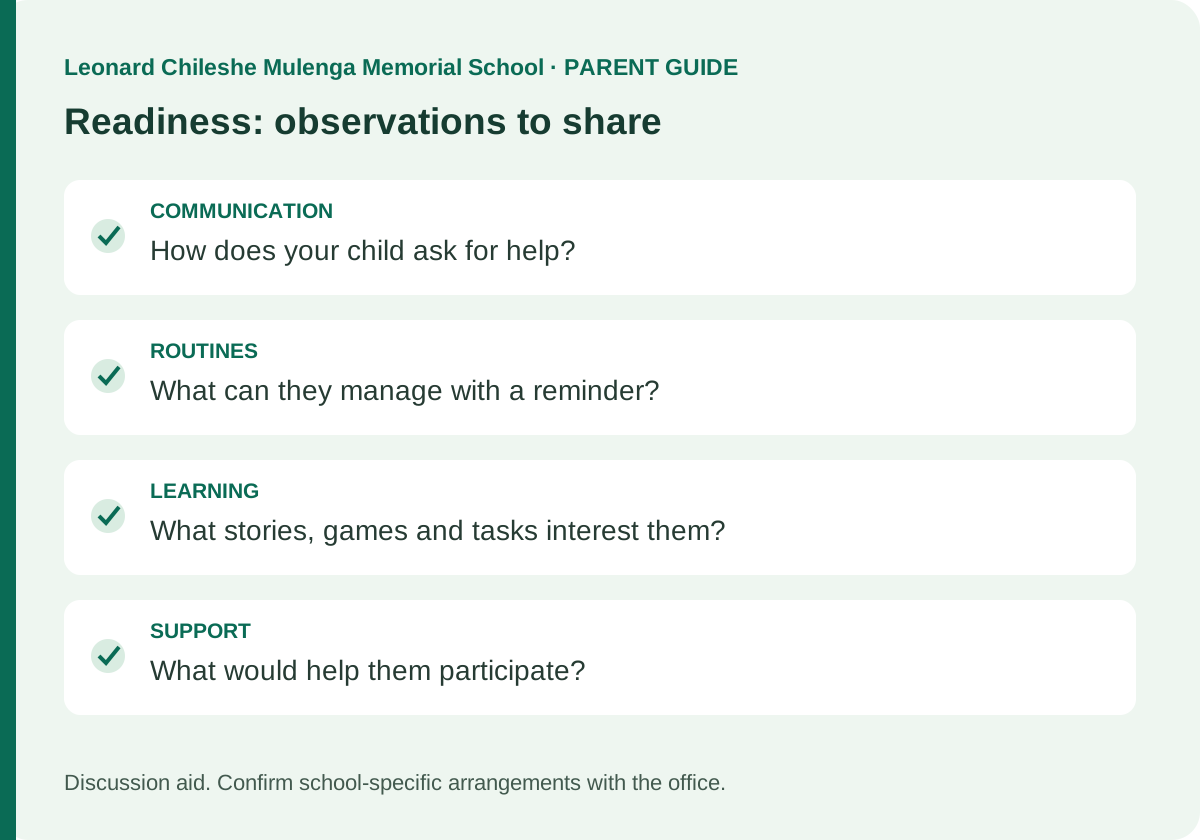
- Things my child enjoys and talks about.
- Languages and ways of communicating they use confidently.
- Routines they manage independently.
- Tasks that become easier with a demonstration or reminder.
- Care, accessibility or learning support we need to discuss.
- Our main question about starting Grade 1.
Bring observations, not a score. If a concern persists, discuss it with the teacher and, where appropriate, a qualified professional. Avoid comparisons with siblings or a neighbour's child as the basis for a conclusion.
Questions families ask
Must a child read before Grade 1? Ask the school for its actual entry expectations. Do not assume independent reading is a universal requirement or impose intensive drills to meet an unverified rule.
How long should we practise? Fit small opportunities into ordinary routines and respond to the child's interest and fatigue. A calm, repeatable activity is more useful than a long session that ends in distress.
Can Reception answer our readiness questions? Speak with the child's current teacher about what they observe. Our guide to preschool class differences explains the transition without assigning fixed milestones.
When comparing schools, use the primary-school questions to ask what support will follow admission. Then contact the school to discuss class placement and the next step for your child.
Back to All Articles